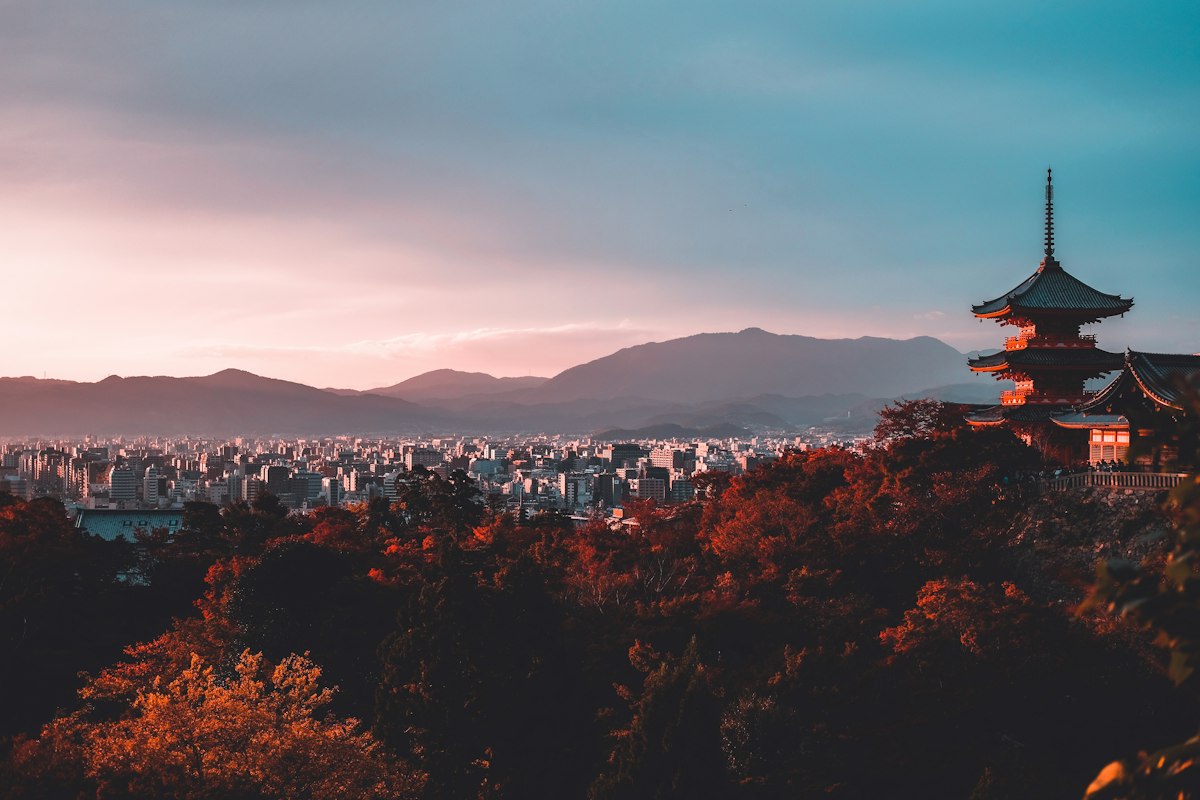
Japan has become a favourite destination for Muslim travelers from the Gulf, Malaysia and Indonesia. It is very safe, extremely clean and easy to get around by train. Halal food and prayer spaces are less common than in Muslim-majority countries, but they are growing every year, especially in Tokyo, Osaka and Kyoto.
Understanding halal food in Japan
The biggest challenge is not obvious pork or alcohol but hidden ingredients. Many Japanese dishes are seasoned with mirin (sweet rice wine) or sake, and ramen broth is very often made from pork bones. Lard and pork extracts also appear in snacks and sauces.
- Ramen: look specifically for halal-certified ramen shops; ordinary tonkotsu ramen is pork-based.
- Sushi and sashimi: fish is halal, but soy sauce can contain a small amount of alcohol and some rice vinegar is made with sake lees. Halal soy sauce is available in some restaurants.
- Wagyu and yakiniku: several halal-certified wagyu restaurants operate in Tokyo, Osaka and Kyoto.
- Convenience stores: rice balls with salmon, tuna or kelp are popular choices, but check the ingredient labels.
Where to find halal restaurants
Tourist areas such as Asakusa, Shinjuku and Akihabara in Tokyo, Namba in Osaka and the area around Kyoto Station have a growing number of halal-certified and Muslim-friendly restaurants. Look for halal certification signs at the entrance, and use the MosaferHub AI Planner to build an itinerary with halal restaurants near each stop.
Many Indian, Pakistani, Turkish and Indonesian restaurants also serve halal food, which is a reliable fallback outside the big cities.
Mosques and prayer spaces
Carry a travel prayer mat and use a Qibla compass: in Japan the Qibla is roughly west-northwest. MosaferHub's prayer times page gives accurate times and direction for your location.
- Tokyo Camii in Shibuya is the largest mosque in Japan and welcomes visitors, with a Turkish cultural centre attached.
- Kobe Muslim Mosque, opened in 1935, is the oldest mosque in Japan.
- Major airports, including Narita, Haneda and Kansai, have prayer rooms.
- Some department stores, train stations and tourist sites in big cities now provide prayer rooms. Ask at information counters.
Practical tips
- Buy a rail pass or IC card (such as Suica or ICOCA) to move easily between cities.
- Japan is cash-friendly, but cards are widely accepted in cities.
- Public bathing (onsen) is usually done without swimwear. Some ryokan offer private baths you can reserve, which suits families and modest travelers.
- Spring (cherry blossom) and autumn (red leaves) are the most popular seasons, so book halal-friendly hotels early.
Frequently asked questions
Is it easy to find halal food in Japan?
It is getting easier. Tokyo, Osaka and Kyoto have many halal-certified restaurants, but you need to plan ahead because hidden ingredients such as mirin and pork broth are common.
Are there mosques in Japan?
Yes. Tokyo Camii in Shibuya is the largest, Kobe Mosque is the oldest, and major airports have prayer rooms.